
Babies drink RO water is one of the most searched topics by new parents who want to provide the safest drinking water for their little ones. Every parent wants to ensure their baby drinks clean, healthy, and contaminant-free water. Since babies have developing immune and digestive systems, even minor impurities in drinking water can affect their health. This is why many families ask, “Can babies drink RO water safely?”
The answer is yes—but with some important considerations. A properly maintained Reverse Osmosis (RO) water purifier removes many harmful contaminants, including bacteria, viruses, heavy metals, excess salts, fluoride, pesticides, and other impurities that may be present in municipal or borewell water. However, understanding when babies can drink RO water, how to prepare baby formula safely, and how to maintain your RO purifier is equally important.
In this comprehensive guide, you’ll learn everything you need to know about whether babies drink RO water, its benefits, safety recommendations, common myths, and expert tips to help you make the best decision for your family.
Table of Contents
- Why Water Quality Matters for Babies
- Can Babies Drink RO Water?
- Is RO Water Safe for Babies?
- How RO Water Is Purified
- Benefits of RO Water for Babies
- When Can Babies Drink RO Water?
- RO Water vs Boiled Water
- RO Water vs Tap Water
- RO Water vs Bottled Water
- Preparing Baby Formula with RO Water
- Common Myths About RO Water
- Tips for Parents
- Choosing the Best RO Water Purifier
- Why Choose RRR Purifier
- FAQs
- Conclusion
Why Water Quality Matters for Babies
Babies drink RO water because water quality plays a vital role in a baby’s overall health and development. During infancy, a baby’s immune system is still developing, making it more sensitive to bacteria, viruses, parasites, heavy metals, and harmful chemicals than an adult.
Unsafe drinking water may contain contaminants such as:
- Bacteria
- Viruses
- Lead
- Arsenic
- Fluoride
- Nitrates
- Pesticides
- Chlorine
- Excess dissolved salts
These contaminants may not always be visible, smell unusual, or affect the taste of water. Even clear-looking water can contain impurities that are unsafe for babies.
Clean drinking water is essential for:
- Preparing infant formula
- Drinking after six months of age
- Washing baby utensils
- Cooking baby food
- Maintaining proper hydration
Choosing a reliable purification system helps reduce the risk of exposure to these harmful contaminants.
Can Babies Drink RO Water?
Can Babies Drink RO Water Safely?
Babies drink RO water safely when it comes from a properly maintained RO water purifier. Reverse Osmosis is one of the most effective water purification technologies available today. It removes many harmful contaminants while improving the overall quality and taste of drinking water.
However, the answer depends on the baby’s age.
Babies drink RO water Below 6 Months
Babies younger than six months generally should not drink plain water, including RO water, unless specifically advised by a pediatrician.
During this stage:
- Breast milk provides complete hydration.
- Infant formula supplies adequate fluids.
- Extra water may reduce nutrient intake and disturb electrolyte balance.
If formula feeding is required, clean RO water may be used to prepare infant formula when recommended by your healthcare provider and when the purifier is functioning properly.
Babies drink RO water Above 6 months.
Once babies begin eating solid foods, usually around six months, small amounts of clean drinking water can be introduced.
This is when babies drink RO water safely as part of a healthy diet, provided the water comes from a well-maintained purification system.
Is RO Water Safe for Babies?
Why Is RO Water Considered Safe?
Babies drink RO water because RO purification removes many contaminants that ordinary filtration methods cannot eliminate.
A modern RO purifier can reduce:
- Heavy metals
- Fluoride
- Excess TDS
- Pesticides
- Bacteria
- Viruses
- Microplastics (in many cases)
- Harmful dissolved salts
This makes RO water a suitable choice for families living in areas where groundwater or municipal water quality is uncertain.
The Importance of Maintenance
An RO purifier is only effective if it is maintained properly.
Parents should ensure:
- Filters are replaced on time.
- The RO membrane is serviced regularly.
- The storage tank is cleaned periodically.
- Annual maintenance is performed.
Neglecting maintenance can reduce purification efficiency and compromise water quality.
How RO Water Is Purified
Babies drink RO water confidently when parents understand how the purification process works.
Modern RO water purifiers use multiple purification stages to deliver clean and safe drinking water.
Stage 1: Sediment Filter
The first filter removes:
- Dust
- Sand
- Rust
- Mud
- Suspended particles
This protects the remaining filters from damage.
Stage 2: Activated Carbon Filter
The activated carbon filter removes:
- Chlorine
- Bad taste
- Unpleasant odors
- Organic chemicals
It also helps protect the RO membrane from chlorine damage.
Stage 3: RO Membrane
This is the heart of the purifier.
The RO membrane removes:
- Heavy metals
- Fluoride
- Lead
- Arsenic
- Nitrates
- Excess dissolved salts
- Harmful microorganisms
This stage provides the highest level of purification.
Stage 4: Post Carbon Filter
The final filter improves:
- Taste
- Freshness
- Drinking experience
Some advanced models also include mineral enhancement or TDS control technology to optimise the taste of purified water.
Benefits of RO Water for Babies
Babies drink RO water because it offers several important benefits for growing children and families.
1. Removes Harmful Contaminants
RO purification removes many impurities that may be present in untreated water, helping reduce exposure to potentially harmful substances.
2. Better Water Quality
RO systems improve the clarity, taste, and overall quality of drinking water, making it more pleasant for everyday use.
3. Safer Formula Preparation
Parents commonly use purified RO water to prepare infant formula because it provides a cleaner water source when the purifier is properly maintained.
4. Consistent Water Quality
Municipal and borewell water quality can change due to:
- Rainfall
- Seasonal contamination
- Aging pipelines
- Groundwater conditions
RO purification provides more consistent water quality throughout the year.
5. Reduces Excess TDS
High Total Dissolved Solids (TDS) can affect water taste and quality.
RO purification helps reduce excessive dissolved salts, making water more suitable for daily household use where high TDS is an issue.
6. Supports Family Health
A good RO purifier doesn’t just benefit babies—it provides cleaner drinking water for the entire family.
From toddlers and school-going children to adults and senior citizens, everyone benefits from improved water quality.
7. Peace of Mind for Parents
Perhaps the greatest benefit is confidence.
Knowing that your baby is drinking purified water prepared using a properly maintained RO system gives parents greater peace of mind every day.
Key Takeaways
- Babies drink RO water safely after six months of age when introduced appropriately.
- Babies under six months generally should not drink plain water unless advised by a paediatrician.
- RO purification removes many harmful contaminants, including heavy metals, fluoride, bacteria, viruses, and excess dissolved salts.
- Regular filter replacement and purifier maintenance are essential to ensure safe drinking water.
- Clean RO water is commonly used for preparing infant formula when recommended by healthcare professionals and prepared hygienically.
- A reliable RO water purifier provides consistent, high-quality drinking water for the entire family.
When Can Babies Drink RO Water?
Babies drink RO water safely when they reach the appropriate age and the water comes from a properly maintained RO water purifier. Many parents wonder whether purified water is suitable for infants, especially when preparing baby formula or introducing water after solid foods.
The answer depends on your baby’s age, nutritional needs, and overall health.
Babies Below 6 Months
Babies drink RO water differently during the first six months of life because they generally do not need plain drinking water.
During this stage:
- Breast milk provides complete hydration.
- Infant formula contains sufficient water.
- Additional drinking water may interfere with nutrient absorption.
- Too much water can dilute sodium levels in the baby’s body.
Unless your paediatrician specifically recommends it, avoid giving plain RO water to babies younger than six months.
However, RO water can be safely used to prepare infant formula when:
- The purifier is functioning correctly.
- Filters are replaced on time.
- Water is handled hygienically.
- Formula preparation instructions are followed.
Babies Between 6 and 12 Months
Babies drink RO water safely once they begin eating solid foods, usually around six months of age.
At this stage:
- Small amounts of purified RO water can be introduced.
- Water helps babies stay hydrated.
- RO water supports digestion as solid foods are introduced.
- Continue breast milk or formula as the primary source of nutrition.
Introduce water gradually rather than replacing milk feeds.
Toddlers Above One Year
Babies drink RO water confidently after their first birthday as part of their daily hydration.
Children over one year receive essential nutrients mainly from the following:
- Fruits
- Vegetables
- Dairy products
- Whole grains
- Lentils
- Eggs
- Balanced family meals
Therefore, the minerals removed during RO purification are generally not a concern for healthy children eating a nutritious diet.
RO Water vs Boiled Water
Babies drink RO water because many parents believe boiling alone makes water completely safe. While boiling kills many bacteria and viruses, it cannot remove several harmful chemical contaminants.
| Feature | RO Water | Boiled Water |
|---|---|---|
| Removes Bacteria | ✅ Yes | ✅ Yes |
| Removes Viruses | ✅ Yes | Mostly yes. |
| Removes Heavy Metals | ✅ Yes | ❌ No |
| Removes Fluoride | ✅ Yes | ❌ No |
| Removes Nitrates | ✅ Yes | ❌ No |
| Removes Pesticides | ✅ Yes | ❌ No |
| Removes Dissolved Salts | ✅ Yes | ❌ No |
| Improves Taste | ✅ Yes | May Taste Flat |
| Ready Anytime | ✅ Yes | Requires Cooling |
Which is better? Can babies drink RO water?
Babies drink RO water because RO purification removes both biological and chemical contaminants.
Boiling is excellent for destroying germs but cannot remove the following:
- Lead
- Arsenic
- Fluoride
- Excess TDS
- Industrial chemicals
- Agricultural pollutants
If your local water source contains high TDS or chemical contamination, RO purification provides more complete protection.
RO Water vs Tap Water
Babies drink RO water instead of untreated tap water in many households because water quality varies significantly across different cities and regions.
| Feature | RO Water | Tap Water |
|---|---|---|
| Purified | ✅ Yes | Depends |
| Heavy Metals Removed | ✅ Yes | May Be Present |
| Bacteria Removed | ✅ Yes | May Be Present |
| TDS Controlled | ✅ Yes | ❌ No |
| Taste | Better | Varies |
| Suitable for Babies | Usually yes. | Depends on Quality |
Is Tap Water Safe for Babies?
Tap water safety depends on:
- Municipal treatment quality
- Age of pipelines
- Local contamination
- Borewell conditions
- Water storage tanks
Even treated water can become contaminated while travelling through old pipelines.
This is one reason why many parents choose RO purification for additional safety.
RO Water vs Bottled Water
Babies drink RO water at home because bottled water is not always the best long-term option.
| Feature | RO Water | Bottled Water |
|---|---|---|
| Fresh Daily | ✅ Yes | ❌ No |
| Cost | Low | High |
| Plastic Waste | None | High |
| Quality Control | Home Controlled | Brand-dependent |
| Suitable for Daily Use | ✅ Excellent | Occasional Use |
Which Is Better for Families?
RO water offers several advantages:
- Fresh water whenever needed
- Lower long-term cost
- Reduced plastic waste
- Better environmental sustainability
- Consistent purification
Bottled water may be useful while travelling but is not usually the most economical or environmentally friendly choice for everyday use.
Preparing Baby Formula with RO Water
Babies drink RO water safely when infant formula is prepared correctly using purified water.
Most paediatricians agree that properly purified water is suitable for preparing infant formula, provided the purifier is well maintained and hygiene is followed.
Step 1: Wash Your Hands
Always wash your hands thoroughly with soap before preparing baby formula.
Step 2: Sterilize Feeding Equipment
Sterilise:
- Baby bottles
- Nipples
- Bottle caps
- Feeding spoons
- Formula containers
Clean equipment reduces the risk of bacterial contamination.
Step 3: Use Fresh RO Water
Always use freshly purified RO water.
Avoid:
- Water stored for several days
- Open containers
- Uncovered bottles
Fresh water maintains better hygiene.
Step 4: Follow Formula Instructions
Always:
- Measure water first.
- Add the recommended amount of formula powder.
- Mix thoroughly.
- Never add extra powder or extra water.
Incorrect preparation can affect your baby’s nutrition.
Step 5: Feed Immediately
Prepared formula should be consumed soon after preparation.
Discard leftover formula instead of storing it for later because bacteria multiply quickly.
Step 6: Maintain Your RO Purifier
A neglected purifier may not provide the expected level of purification.
Schedule:
- Filter replacement
- Membrane replacement
- Tank cleaning
- Annual servicing
Proper maintenance ensures consistently safe drinking water.
Quick Comparison Table
| Water Type | Safe for Babies | Removes Germs | Removes Chemicals | Best For |
|---|---|---|---|---|
| RO Water | ✅ Yes | ✅ Yes | ✅ Yes | Daily Use |
| Boiled Water | ✅ Mostly | ✅ Yes | ❌ No | Emergency Use |
| Tap Water | Depends | Depends | Depends | Only if Certified Safe |
| Bottled Water | Usually | Usually | Varies | Travel |
Common Myths About Can Babies Drink RO water
Babies drink RO water safely, yet many myths continue to confuse parents. Let’s separate fact from fiction.
Myth 1: RO Water Has No Minerals
Fact:
RO purification removes many dissolved minerals from water. However, babies receive essential nutrients mainly from:
- Breast milk
- Infant formula
- Fruits
- Vegetables
- Dairy products
- Healthy meals
Many modern RO purifiers also include mineral enhancement or TDS control technology.
Myth 2: Babies Should Never Drink RO Water
Fact:
Babies over six months can safely drink purified RO water in small amounts while continuing breast milk or formula as their primary nutrition.
Myth 3: Boiled Water Is Better Than RO Water
Fact:
Boiling destroys germs but cannot remove the following:
- Heavy metals
- Fluoride
- Pesticides
- Excess dissolved salts
- Industrial chemicals
RO purification removes many of these contaminants.
Myth 4: Bottled Water Is Always Safer
Fact:
Bottled water quality depends on:
- Manufacturing
- Transportation
- Storage
- Packaging
- Expiry dates
A properly maintained home RO purifier often provides fresher and more consistent drinking water.
Myth 5: RO Water Causes Mineral Deficiency
Fact:
Healthy babies and children obtain almost all essential vitamins and minerals from food, breast milk, and infant formula—not drinking water.
A balanced diet is far more important than relying on water as a mineral source.
Key Takeaways
- Babies drink RO water safely after six months when introduced gradually.
- Babies under six months generally should not drink plain water unless advised by a paediatrician.
- RO purification removes bacteria, viruses, heavy metals, fluoride, pesticides, and excess dissolved salts.
- RO water is commonly used to prepare infant formula when the purifier is properly maintained.
- Boiling kills germs but does not remove chemical contaminants.
- RO water provides more comprehensive purification than boiling alone.
- Proper purifier maintenance and hygienic storage are essential for safe drinking water.
Tips for Parents: Babies drink RO water
Babies drink RO water safely when parents choose a high-quality RO water purifier, maintain it regularly, and follow proper hygiene practices. While RO purification provides clean drinking water, a few simple habits can further protect your baby’s health.
1. Choose a Certified RO water purifier
Babies drink RO water confidently when the purifier uses advanced multi-stage purification technology.
Look for features such as the following:
- Reverse Osmosis (RO)
- Sediment Filter
- Activated Carbon Filter
- UV Sterilization
- UF Purification
- TDS Controller or Mineral Enhancer
A multi-stage purification system helps remove bacteria, viruses, fluoride, heavy metals, pesticides, chlorine, and excess dissolved salts.
2. Replace Filters on Time
A purifier is only as effective as its filters.
Replace filters according to the manufacturer’s recommendations.
Typical replacement schedule:
| Filter | Recommended Replacement |
|---|---|
| Sediment Filter | Every 6–9 Months |
| Carbon Filter | Every 6–12 Months |
| RO Membrane | Every 18–24 Months |
| Post-Carbon Filter | Every 12 Months |
Timely replacement ensures consistent purification and better-tasting water.
3. Monitor TDS Levels
Babies drink RO water that has balanced TDS levels.
For most households, drinking water with a TDS level between 50 and 150 ppm is generally considered suitable for everyday consumption.
If TDS suddenly changes, schedule a purifier inspection.
4. Store RO Water Correctly
Purified water can become contaminated after purification.
Always:
- Use clean food-grade containers.
- Keep storage tanks covered.
- Wash containers regularly.
- Avoid touching stored water with unclean hands.
Clean storage is just as important as clean purification.
5. Sterilize Baby Feeding Equipment
Even clean RO water cannot prevent contamination if feeding equipment is dirty.
Always sterilise:
- Baby bottles
- Bottle nipples
- Formula spoons
- Feeding bowls
- Baby cups
6. Prepare Baby Formula Properly
When preparing formula:
- Wash your hands thoroughly.
- Use freshly purified RO water.
- Measure water first.
- Add formula according to instructions.
- Feed immediately.
- Discard leftover formula after feeding.
Following these simple steps helps reduce bacterial contamination.
7. Feed a Balanced Diet
Many parents worry about minerals removed during RO purification.
Remember, babies receive most nutrients from:
- Breast milk
- Infant formula
- Fruits
- Vegetables
- Dairy products
- Whole grains
- Lentils
A balanced diet is far more important than relying on drinking water for minerals.
8. Consult Your Pediatrician : can babies drink RO water
Every child is different.
Seek medical advice if your baby:
- Was born prematurely
- Has kidney disease
- Has digestive disorders
- Has special nutritional requirements
Your paediatrician can provide personalised guidance based on your child’s health.
Common Mistakes to Avoid
Babies drink RO water safely when parents avoid common mistakes that can compromise water quality.
Mistake 1: Assuming Boiled Water Removes Everything
Boiling kills germs but cannot remove the following:
- Lead
- Fluoride
- Arsenic
- Nitrates
- Pesticides
- Heavy metals
- Excess dissolved salts
RO purification removes many of these contaminants.
Mistake 2: Ignoring Filter Replacement
Old filters reduce purification performance.
Signs your purifier needs servicing:
- Slow water flow
- Bad taste
- Unusual odor
- High TDS
- Service indicator alert
Regular maintenance keeps water safe.
Mistake 3: Giving Plain Water Too Early
Babies younger than six months usually do not need drinking water.
Breast milk or infant formula provides complete hydration.
Always consult your paediatrician before introducing water early.
Mistake 4: Using Dirty Storage Containers
Purified water can become contaminated after filtration.
Always clean:
- Water storage containers
- Baby bottles
- Feeding cups
- Water dispensers
Mistake 5: Buying a Purifier Without Testing Water
Different water sources require different purification technologies.
Examples:
- Borewell water usually has high TDS.
- Municipal water often contains chlorine.
- Some regions have excess fluoride.
- Tanker water quality varies significantly.
Testing your water helps you choose the right purifier.
Mistake 6: Ignoring Annual Maintenance
Professional servicing helps:
- Improve purification
- Extend membrane life
- Maintain water quality
- Reduce repair costs
Preventive maintenance saves money over time.
Choosing the Best RO Water Purifier for Families
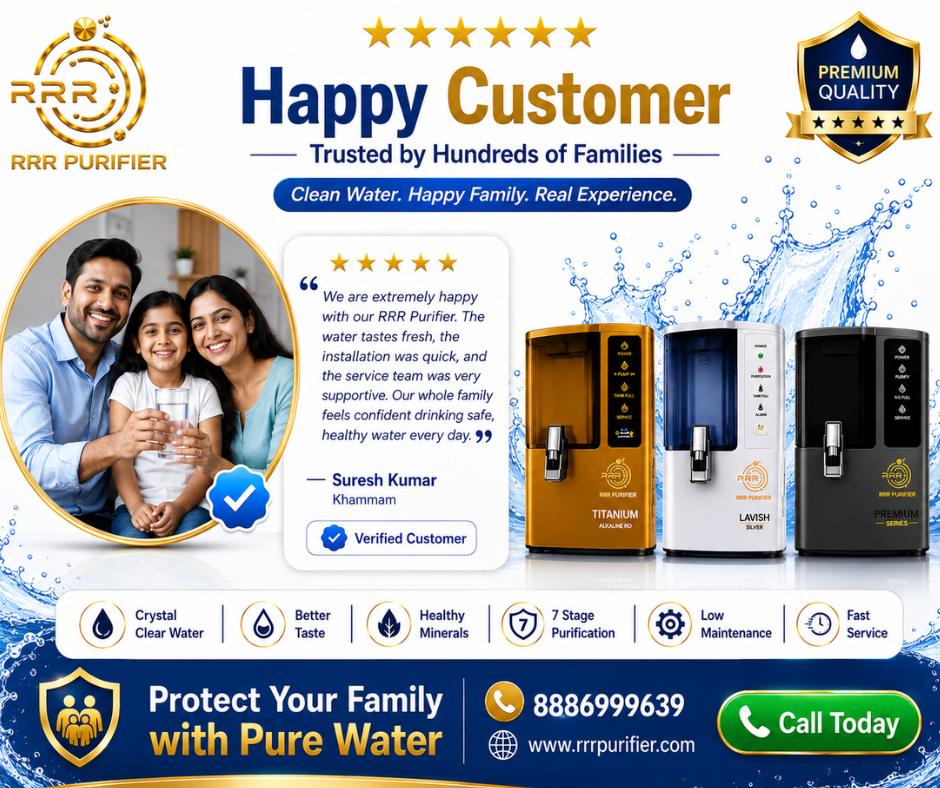
Babies drink RO water safely when parents invest in a reliable and well-designed purifier.
Here are the most important factors to consider.
1. Multi-Stage Purification
Choose a purifier that includes:
- RO
- UV
- UF
- Activated Carbon
- Sediment Filter
- TDS Controller
Multiple purification stages provide better protection.
2. Suitable for Your Water Source
Consider your home’s water source.
- Borewell Water
- Municipal Water
- Tanker Water
- Mixed Supply
High-TDS water generally requires RO purification.
3. Large Storage Capacity
Families benefit from larger storage tanks.
Recommended:
- 8 Liters
- 10 Liters
- 12 Liters
This ensures purified water is always available.
4. Food-Grade Storage Tank
Choose BPA-free, food-grade storage tanks for safer drinking water.
5. Smart Features
Modern RO purifiers may include the following:
- Filter Change Alerts
- TDS Display
- Tank Full Indicator
- Auto Shut-Off
- Leak Detection
- Digital Display
These features simplify maintenance.
6. Reliable After-Sales Service
Choose a company that provides:
- Fast Installation
- Genuine Spare Parts
- Annual Maintenance
- Responsive Customer Support
Good service ensures long-term performance.
7. Energy Efficiency
Energy-efficient RO purifiers reduce electricity usage while delivering continuous purified water.
Why Choose RRR Purifier?
Babies drink RO water with greater confidence when families choose a trusted brand designed for Indian water conditions.
RRR Purifier combines advanced purification technology with dependable performance to provide clean, healthy, and great-tasting drinking water every day.
Advanced Multi-Stage RO Purification
RRR Purifier helps reduce the following:
- Bacteria
- Viruses
- Heavy Metals
- Fluoride
- Chlorine
- Pesticides
- Excess TDS
- Harmful Dissolved Impurities
The multi-stage purification process delivers high-quality drinking water for the entire family.
Designed for Indian Water Conditions
Indian households receive water from different sources.
RRR Purifier performs effectively with:
- Borewell Water
- Municipal Water
- Tanker Water
- Mixed Water Supply
This makes it suitable for homes across cities and rural areas.
Smart Features
Depending on the model, the RRR Purifier offers the following:
- High Storage Capacity
- Food-Grade Water Tank
- Elegant Design
- Low Maintenance
- Long-Life Filters
- Efficient RO Membrane
- TDS Controller
These features provide convenience and consistent performance.
Perfect for Families with Babies
Parents trust the RRR Purifier because it provides the following:
- Safe Drinking Water
- Fresh Taste
- Reliable Purification
- Easy Maintenance
- Peace of Mind
When maintained properly, RRR Purifier helps ensure your family has access to purified drinking water every day.
Conclusion
Babies drink RO water safely when the water comes from a properly maintained RO water purifier and is introduced at the appropriate age. Babies younger than six months generally do not need plain drinking water unless advised by a paediatrician. Once solid foods are introduced, purified RO water can become part of a healthy hydration routine.
RO purification removes many harmful contaminants—including bacteria, viruses, heavy metals, fluoride, pesticides, and excess dissolved salts—that may be present in untreated water. Combined with timely filter replacement, hygienic storage, and regular servicing, an RO purifier offers a reliable source of clean drinking water for your entire family.
If you’re looking for a dependable water purifier designed for Indian homes, RRR Purifier offers advanced multi-stage purification, smart features, and reliable performance to help keep your family’s drinking water clean and safe.
Frequently Asked Questions (FAQs)
1. Can babies drink RO water every day?
Yes. Babies older than six months can generally drink properly purified RO water in moderation as part of a balanced diet.
2. Is RO water safe for preparing baby formula?
Yes. Fresh RO water from a well-maintained purifier can generally be used to prepare infant formula. Always follow your paediatrician’s advice and the formula manufacturer’s instructions.
3. Does RO water remove essential minerals?
RO purification removes many dissolved minerals, but babies receive most essential nutrients from breast milk, infant formula, and healthy foods rather than drinking water.
4. Is RO water better than boiled water?
Boiled water kills germs but does not remove heavy metals, fluoride, pesticides, or excess dissolved salts. RO purification addresses a broader range of contaminants.
5. How often should an RO purifier be serviced?
Most RO water purifiers should be serviced every 6–12 months, with filters and membranes replaced according to the manufacturer’s recommendations and local water quality.
Give Your Baby the Gift of Safe Drinking Water
Your baby’s health begins with clean, safe water. With RRR Purifier, you can enjoy advanced multi-stage RO purification designed to remove harmful contaminants while delivering fresh, great-tasting drinking water for your entire family.
Why choose RRR Purifier?
- ✅ Advanced RO + Multi-Stage Purification
- ✅ Ideal for Borewell & Municipal Water
- ✅ High Storage Capacity
- ✅ Reliable After-Sales Support
- ✅ Trusted Protection for Indian Families
Explore RRR Purifier today and ensure every glass of water your family drinks is clean, safe, and refreshing. Because every drop matters.